The 1973 Mercedes-Benz 280SEL, a symbol of luxury and engineering excellence, emerged as a pivotal moment in automotive history. This opulent sedan, released during a time of significant social and economic change, captured the spirit of its era with its timeless design and unparalleled performance.
Its release marked a turning point for Mercedes-Benz, solidifying its reputation as a manufacturer of high-performance, yet comfortable, vehicles. The 280SEL, with its distinctive silhouette and powerful engine, became a coveted symbol of success and sophistication, captivating drivers worldwide.
This car wasn’t just a vehicle; it was a statement. It represented the pinnacle of German engineering, blending elegant aesthetics with advanced technology. The 280SEL was a testament to Mercedes-Benz’s dedication to quality and innovation, setting the stage for future generations of luxury vehicles.
Its legacy continues to inspire and influence automotive design, solidifying its place as a true classic.
The 1973 Mercedes-Benz 280SEL: A Symbol of Luxury and Engineering Excellence
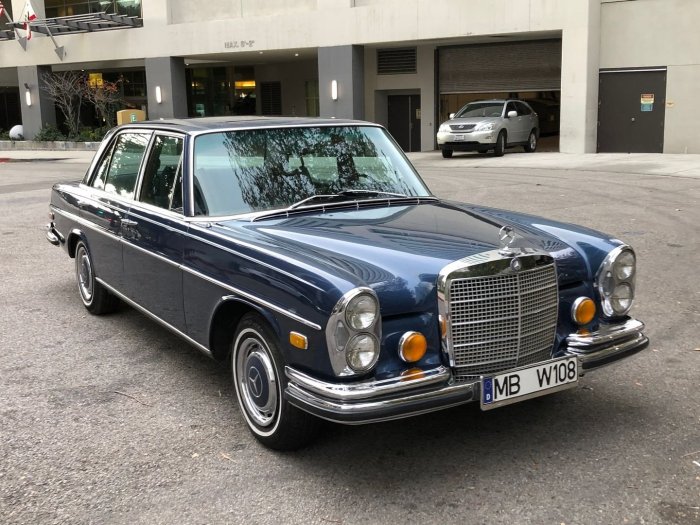
The 1973 Mercedes-Benz 280SEL stands as a testament to the German automaker’s commitment to luxury, performance, and engineering prowess. Released during a time of significant social and economic change, this car epitomized the opulent lifestyle of the era while simultaneously pushing the boundaries of automotive technology.
The 280SEL was a flagship model within the Mercedes-Benz lineup, representing the pinnacle of the brand’s engineering and design philosophies.
Historical Context and Place within the Mercedes-Benz Lineup
The 1973 280SEL emerged during a period of global economic uncertainty and political upheaval. The oil crisis of 1973, which triggered a surge in fuel prices, had a significant impact on the automotive industry. Despite these challenges, Mercedes-Benz remained committed to its vision of producing luxurious and technologically advanced vehicles.
The 280SEL was positioned as a high-end sedan, catering to discerning customers who valued comfort, performance, and prestige. The 280SEL was part of the W108/W109 series, which was introduced in 1965. This series represented a significant departure from previous Mercedes-Benz models, featuring a more modern and sophisticated design.
The 280SEL was a four-door sedan, known for its spacious interior, luxurious amenities, and powerful engine.
Key Features and Innovations
The 1973 280SEL featured a range of innovative features and technologies that set it apart from its competitors. The car was equipped with a 2.8-liter, six-cylinder engine, which delivered impressive performance and fuel efficiency for its time. The 280SEL also boasted a number of safety features, including a robust chassis, disc brakes on all four wheels, and a comprehensive safety cage.
Engine and Performance
- The 280SEL was powered by a 2.8-liter, six-cylinder engine that produced 180 horsepower.
- The engine was known for its smooth operation and impressive power delivery, making the 280SEL a capable performer.
- The car could reach a top speed of 120 mph and accelerate from 0 to 60 mph in around 10 seconds.
Interior and Comfort
- The interior of the 280SEL was renowned for its spaciousness, luxury, and attention to detail.
- The car featured plush leather upholstery, wood trim, and a range of amenities, including air conditioning, power windows, and a stereo system.
- The 280SEL’s interior was designed to provide a comfortable and luxurious driving experience.
Safety Features
- The 1973 280SEL was equipped with a comprehensive suite of safety features.
- The car featured a robust chassis, disc brakes on all four wheels, and a safety cage designed to protect occupants in the event of a collision.
- The 280SEL’s safety features were a testament to Mercedes-Benz’s commitment to safety.
Design and Styling: 1973 Mercedes-Benz 280SEL
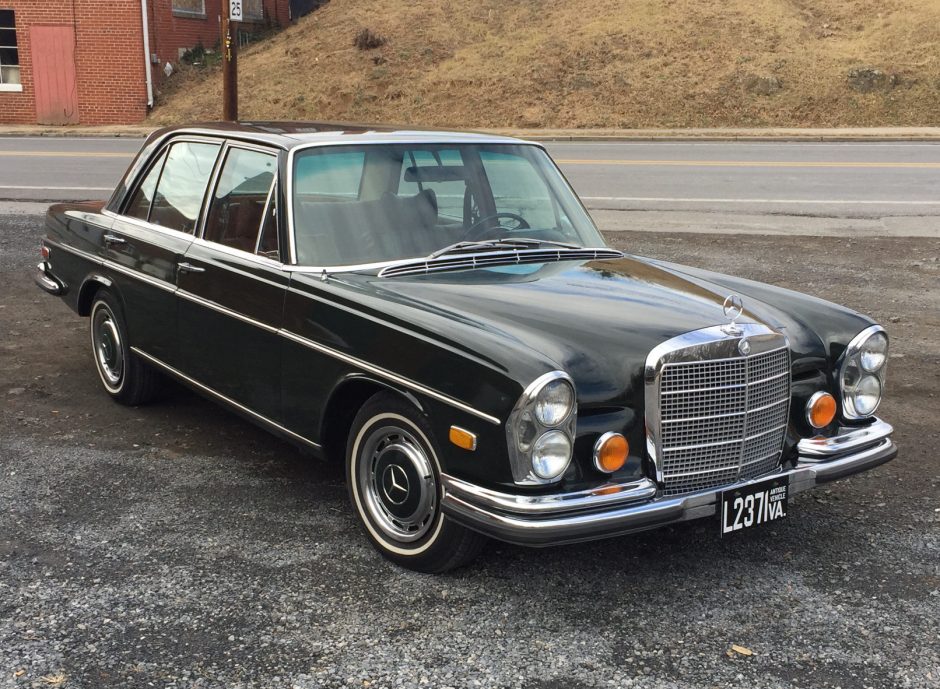
The 1973 Mercedes-Benz 280SEL, a masterpiece of automotive design, seamlessly blended elegance and functionality, setting a new standard for luxury sedans. Its timeless design, characterized by clean lines, flowing curves, and a sense of understated grandeur, continues to captivate enthusiasts today.
Exterior Design
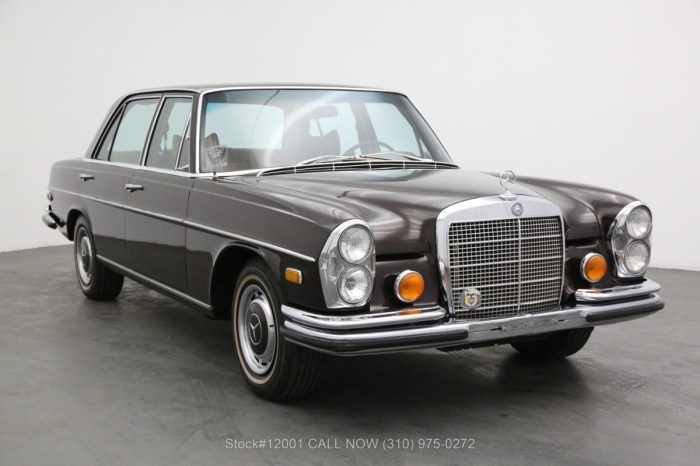
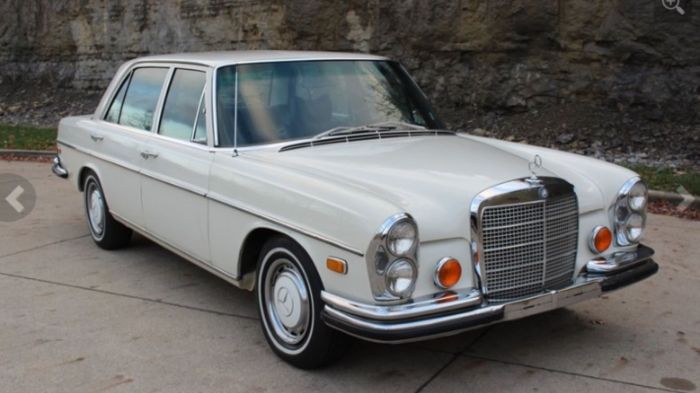
The 280SEL’s exterior design embodied the essence of classic Mercedes-Benz styling. Its long, low hood, prominent grille, and upright stance exuded a sense of power and prestige. The car’s elegant profile was defined by its sweeping roofline, flowing rear fenders, and distinctive chrome trim accents.
The rear end, with its integrated taillights and chrome bumper, completed the car’s harmonious and sophisticated aesthetic. The 280SEL featured a distinctive grille, known as the “ponton grille,” with its horizontal chrome bars and the iconic three-pointed star emblem prominently displayed.
This grille, along with the car’s large headlights, contributed to the car’s commanding presence. The 280SEL’s overall design was a testament to the meticulous attention to detail and engineering excellence that Mercedes-Benz was renowned for.
The 1973 Mercedes-Benz 280SEL, with its elegant lines and powerful engine, was a symbol of luxury and performance. While the 280SEL embodied the classic Mercedes aesthetic, the company evolved with the 1992 Mercedes-Benz 300SE , introducing more modern features and a sleeker design.
Both cars, however, remain testaments to Mercedes-Benz’s enduring legacy of craftsmanship and innovation.
Interior Design
The 280SEL’s interior was a sanctuary of luxury and comfort. High-quality materials, such as leather upholstery, wood trim, and plush carpets, created an opulent and inviting ambiance. The spacious cabin offered ample legroom and headroom for both front and rear passengers, ensuring a comfortable ride.The dashboard featured a simple and elegant design, with easy-to-read gauges and controls.
The car’s advanced features included power windows, power seats, and a sophisticated climate control system, enhancing the driving experience. The 280SEL’s interior was a testament to the car’s focus on providing a refined and luxurious experience for its occupants.
Comparison with Other Mercedes-Benz Models
The 1973 280SEL stood out among other Mercedes-Benz models of the era for its larger size, more luxurious interior, and powerful engine. It was positioned as the flagship model of the S-Class lineup, offering the ultimate in comfort, performance, and prestige.
While other models like the 250S and 280S provided a similar level of quality and engineering, the 280SEL catered to discerning drivers seeking the pinnacle of automotive luxury.The 280SEL’s distinctive styling and advanced features set it apart from its contemporaries.
Its long wheelbase and spacious interior provided a level of comfort and refinement that was unmatched in its class. The car’s powerful engine and smooth handling made it a pleasure to drive, while its timeless design ensured that it would remain a coveted classic for generations to come.
Performance and Handling
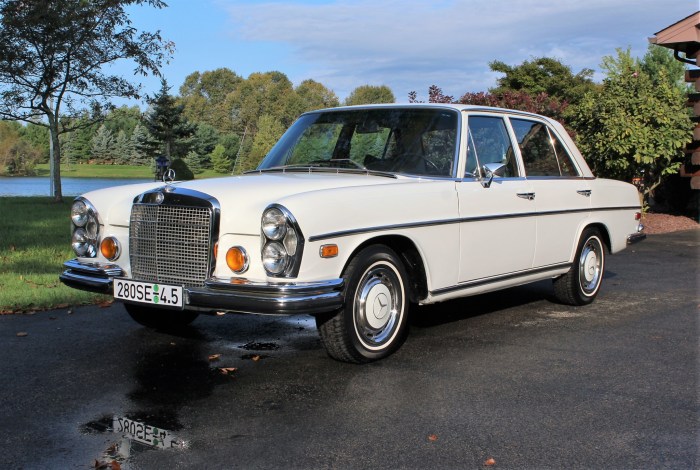
The 1973 Mercedes-Benz 280SEL, a flagship sedan, was not just about opulence; it was also about delivering a powerful and refined driving experience. Its performance was a testament to Mercedes-Benz’s commitment to engineering excellence, combining robust power with a smooth and controlled ride.
The 1973 Mercedes-Benz 280SEL, a symbol of luxury and engineering prowess, marked a shift in the brand’s focus towards comfort and performance. While the 280SEL epitomized the sedan, Mercedes-Benz also ventured into the rugged off-road segment with the 1983 Mercedes-Benz 230GE , showcasing its versatility and adaptability.
This transition to a more rugged vehicle, however, didn’t diminish the 280SEL’s enduring appeal as a timeless classic.
Engine Specifications and Performance
The 280SEL was powered by a 2.8-liter, naturally aspirated, inline-six engine, a hallmark of Mercedes-Benz’s engineering at the time. This engine produced 185 horsepower at 5,500 rpm and 188 lb-ft of torque at 4,000 rpm. These figures, while not groundbreaking for the era, delivered a smooth and responsive driving experience, particularly in the context of the car’s substantial weight.
The engine was known for its quiet operation and impressive longevity.
Handling and Braking
The 280SEL’s handling was characterized by a blend of stability and comfort. Its independent suspension system, featuring a front strut setup and a rear swing axle, provided a smooth and controlled ride, absorbing bumps and irregularities with grace. The car’s weight, however, did contribute to a somewhat less agile feel compared to sportier contemporaries.The braking system, featuring disc brakes on all four wheels, provided reliable stopping power, but the car’s weight meant longer stopping distances compared to lighter cars.
The 1973 Mercedes-Benz 280SEL, a stately sedan, represented the epitome of luxury and engineering prowess. While the 280SEL was designed for comfort and refined performance, Mercedes-Benz also offered a more sporty option in the same year with the 1974 Mercedes-Benz 450SL.
This roadster, with its sleek lines and powerful engine, catered to a different kind of driver, one who sought both style and exhilaration. The 280SEL, however, continued to hold its own as a symbol of timeless elegance and sophistication.
Driving Experience
The 1973 280SEL offered a unique driving experience. Its spacious cabin, comfortable seats, and quiet engine made it a perfect choice for long journeys. The car’s smooth ride and ample power allowed for effortless cruising, while its handling remained predictable and reassuring.
Comparison with Contemporaries
While the 280SEL’s performance wasn’t the most potent in its class, it was still a formidable contender. Compared to other luxury sedans of the time, like the Cadillac Fleetwood or the Lincoln Continental, the 280SEL offered a more refined and engaging driving experience.
Its handling, while not as sharp as some European rivals, was still superior to its American counterparts. The 280SEL’s strength lay in its balance of comfort, performance, and durability, a hallmark of Mercedes-Benz engineering.
Notable Features and Innovations
The 1973 Mercedes-Benz 280SEL was a technological marvel for its time, boasting a range of innovative features that pushed the boundaries of automotive engineering and luxury. These features not only enhanced the driving experience but also had a lasting impact on the automotive industry, influencing the design and technology of cars for decades to come.
The Air Suspension System
The 280SEL was one of the first production cars to feature an air suspension system, which provided a level of ride comfort and handling that was unmatched at the time. This system used air-filled bellows to adjust the ride height, allowing the car to adapt to different road conditions and loads.
The air suspension system not only provided a smoother ride but also improved handling by keeping the car level and reducing body roll in corners. This innovation paved the way for the widespread adoption of air suspension systems in luxury and high-performance vehicles, and it continues to be a popular feature today.
The 4-Speed Automatic Transmission
The 280SEL was equipped with a 4-speed automatic transmission, a significant advancement over the 3-speed automatics that were common in other cars at the time. This transmission offered smoother and more efficient shifting, contributing to the car’s overall performance and fuel economy.
The 4-speed automatic transmission also allowed for a wider range of gear ratios, making it better suited for both highway cruising and city driving. This innovation helped to establish the 4-speed automatic transmission as the industry standard for luxury vehicles, and it paved the way for the development of even more advanced automatic transmissions in the years to come.
The Bosch Fuel Injection System
The 280SEL was equipped with a Bosch mechanical fuel injection system, which provided precise fuel delivery to the engine for optimal performance and efficiency. This system allowed for a more consistent and efficient combustion process, resulting in smoother acceleration and better fuel economy.
The Bosch fuel injection system was a major technological breakthrough in the automotive industry, and it played a crucial role in the development of modern electronic fuel injection systems.
The 1973 Mercedes-Benz 280SEL, a classic example of German engineering, was known for its luxurious interior and powerful engine. While the 280SEL was a standout of its time, the 1991 Mercedes-Benz 420SEL represented a significant evolution in design and technology.
The 420SEL boasted a more aerodynamic body, advanced electronics, and a refined driving experience. Both models, however, share a common thread: the enduring legacy of Mercedes-Benz in producing vehicles that embody luxury, performance, and longevity.
The Safety Features
The 1973 Mercedes-Benz 280SEL was renowned for its safety features, which were far ahead of its time. These features included:
- A rigid passenger compartment:This provided a strong and safe space for occupants in the event of a crash.
- Collapsible steering column:This helped to protect the driver in a frontal collision.
- Front disc brakes:This provided superior braking performance, contributing to the car’s overall safety.
- A comprehensive safety belt system:This was designed to minimize the risk of injuries in the event of a crash.
These safety features were a testament to Mercedes-Benz’s commitment to safety and set a new standard for the automotive industry. They helped to pave the way for the development of even more advanced safety features in the years to come, such as airbags, anti-lock brakes, and electronic stability control.
Cultural Impact and Legacy
The 1973 Mercedes-Benz 280SEL transcended its status as a luxury car, becoming a cultural icon that embodied the aspirations and tastes of the era. Its influence extended beyond the automotive world, shaping fashion, film, and the perception of luxury itself.
Influence on Popular Culture and Fashion
The 280SEL’s sleek design and luxurious appointments made it a symbol of success and sophistication. It was frequently featured in films and television shows, often driven by wealthy and powerful characters. Its presence in these mediums cemented its image as a car for the elite, contributing to its cultural cachet.
The car’s distinctive grille and elegant lines inspired fashion trends, with designers incorporating elements of its design into clothing and accessories. The 280SEL’s influence on fashion extended beyond clothing, with its interior materials and color schemes influencing the design of furniture and home décor.
The Car’s Lasting Legacy, 1973 Mercedes-Benz 280SEL
The 1973 280SEL’s legacy extends beyond its cultural impact. Its engineering innovations and design principles paved the way for future Mercedes-Benz models. The car’s advanced suspension system, powerful engine, and luxurious interior set a benchmark for the brand, inspiring subsequent generations of Mercedes-Benz vehicles to prioritize performance, comfort, and safety.
The 280SEL’s influence is evident in the design language and engineering advancements of modern Mercedes-Benz cars, which continue to build upon the foundations laid by this iconic model.
Notable Events and Figures Associated with the 1973 280SEL
The 1973 280SEL was associated with several notable events and figures, further solidifying its place in history.
- The car was used as the official state car by several heads of state, including the President of Germany. This association with power and prestige enhanced the car’s image and cemented its reputation as a symbol of luxury and authority.
- The 280SEL was also featured in several iconic films, including “The Godfather” and “The French Connection.” Its appearance in these films further cemented its image as a car for the wealthy and powerful.
Collecting and Restoration
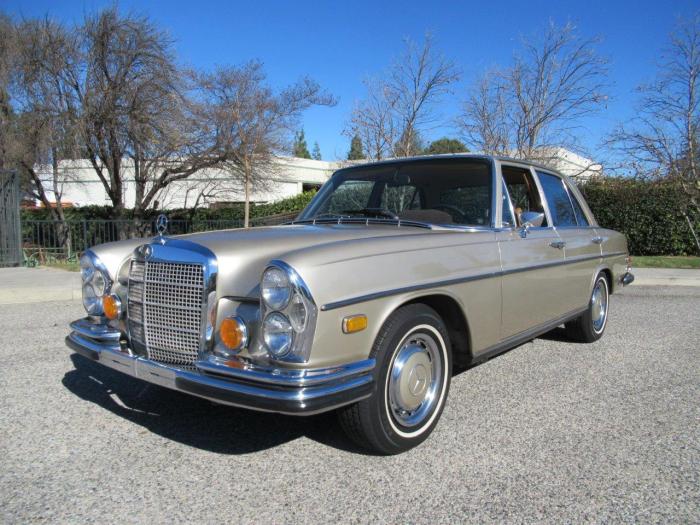
The 1973 Mercedes-Benz 280SEL has become a sought-after classic car, appreciated for its timeless design, luxurious comfort, and robust engineering. As a result, it has gained a dedicated following among collectors and enthusiasts. This section will delve into the world of collecting and restoring the 1973 280SEL, providing insights into the current market, restoration process, and the value appreciation of these iconic vehicles.
Current Collector’s Market
The collector’s market for the 1973 280SEL is thriving, with prices steadily increasing over the years. The value of a 1973 280SEL is influenced by several factors, including condition, mileage, originality, and documentation. Well-preserved and original examples with low mileage command premium prices.
Restoration Process
Restoring a 1973 280SEL is a complex and rewarding undertaking. It involves a meticulous process that requires specialized knowledge and expertise. A thorough inspection is essential to assess the condition of the car and identify any areas that need attention.
- Bodywork: The bodywork of a 1973 280SEL may require repair or restoration. This includes addressing any rust, dents, or scratches, and ensuring that the body panels are aligned correctly.
- Paint: The paintwork is another crucial aspect of restoration. A professional paint job can restore the original color and finish, enhancing the car’s overall appearance.
- Interior: The interior of a 1973 280SEL should be restored to its original condition. This includes reupholstering the seats, replacing worn carpets, and restoring the dashboard and door panels.
- Engine and Mechanical Components: The engine and mechanical components require a comprehensive inspection and potential overhaul. This may involve replacing worn parts, rebuilding the engine, and ensuring that all systems are functioning properly.
- Suspension and Brakes: The suspension and brakes are essential for the car’s handling and safety. A thorough inspection and restoration of these systems are crucial to ensure a smooth and reliable driving experience.
Value Comparison
The value of a restored 1973 280SEL can significantly exceed its original price. While the original price of a 1973 280SEL was around $8,000, a fully restored example in excellent condition can fetch upwards of $50,000 or more, depending on the specific features and condition.
| Condition | Estimated Value (USD) |
|---|---|
| Original, Unrestored | $10,000
|
| Partially Restored | $25,000
|
| Fully Restored | $40,000
|
Conclusion
The 1973 Mercedes-Benz 280SEL stands as a testament to the brand’s enduring commitment to luxury, engineering excellence, and timeless design. Its impact on the automotive landscape is undeniable, shaping the future of luxury sedans and establishing a legacy that continues to inspire today.
The 1973 280SEL’s Enduring Legacy
The 1973 280SEL’s influence extends far beyond its initial production run. It played a pivotal role in solidifying Mercedes-Benz’s reputation as a manufacturer of high-quality, durable, and luxurious automobiles. Its design elements, technological innovations, and overall driving experience set a new standard for luxury sedans, inspiring subsequent generations of Mercedes-Benz models and influencing the automotive industry as a whole.The 1973 280SEL’s enduring legacy is evident in its continued presence on roads and in car collections worldwide.
Its timeless design, robust construction, and impressive performance have ensured its enduring appeal, making it a sought-after classic among automotive enthusiasts.
The Future of Classic Mercedes-Benz Vehicles
The future of classic Mercedes-Benz vehicles, including the 1973 280SEL, is bright. As these vehicles age, their value continues to appreciate, making them attractive investments for collectors and enthusiasts. The growing demand for classic cars, coupled with the inherent quality and desirability of Mercedes-Benz vehicles, suggests a strong future for these iconic automobiles.Moreover, the increasing popularity of vintage car events and rallies further enhances the appeal of classic Mercedes-Benz vehicles.
These events provide owners with opportunities to showcase their cars, connect with fellow enthusiasts, and enjoy the thrill of driving these iconic automobiles.The future of classic Mercedes-Benz vehicles is intertwined with the growing interest in automotive history and heritage. As enthusiasts seek to preserve and celebrate the automotive past, classic Mercedes-Benz vehicles, like the 1973 280SEL, will continue to play a vital role in shaping the future of the automotive world.
Concluding Remarks
The 1973 Mercedes-Benz 280SEL stands as a testament to the enduring power of classic design and engineering. It’s not just a car; it’s a time capsule, a piece of automotive history that continues to fascinate and inspire. The 280SEL’s influence on the automotive world is undeniable, shaping the future of luxury car design and performance.
As a collector’s item, its value continues to rise, reflecting its enduring appeal and cultural significance. The 280SEL is more than a car; it’s a legacy, a reminder of an era when elegance and engineering reigned supreme.