The 1966 Plymouth Fury III stands as a testament to the golden age of American muscle cars, a time when power, style, and performance were paramount. This iconic full-size sedan, produced by Plymouth, a division of Chrysler, emerged as a formidable contender in the burgeoning muscle car market, captivating drivers with its sleek design, potent engines, and comfortable interior.
The 1966 Fury III wasn’t just a car; it was a symbol of American automotive prowess and a cultural icon that left an indelible mark on the automotive landscape.
The 1966 Fury III was a significant model year for the Fury line. It featured a redesigned body with a more angular and sophisticated appearance, showcasing a departure from the rounded styling of previous years. The Fury III’s exterior was characterized by a prominent grille, bold chrome accents, and distinctive taillights that exuded a sense of power and elegance.
Under the hood, a range of powerful V8 engines offered ample performance, catering to both enthusiasts and families seeking a comfortable and capable cruiser. The 1966 Fury III’s blend of performance, comfort, and style made it a popular choice among drivers who desired a vehicle that could handle the open road with authority while providing a luxurious and spacious cabin for passengers.
Introduction
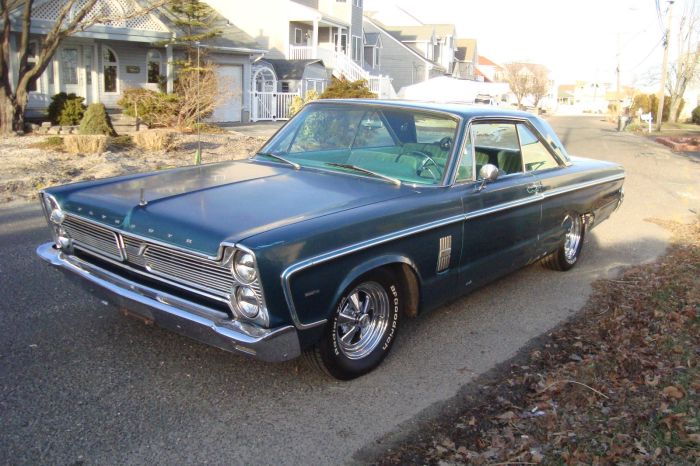
The Plymouth Fury III, a full-size car produced by Plymouth, was a significant model in the brand’s history. It first appeared in 1965, but the 1966 model year brought about significant changes and improvements, solidifying its place as a popular and desirable vehicle.
The 1966 Fury III, along with its siblings in the Chrysler Corporation family, represented a major design shift, moving away from the more conservative styling of previous years.
Key Features and Design Elements
The 1966 Plymouth Fury III featured a number of key features and design elements that set it apart from its predecessors. The car’s exterior design was characterized by its sharp lines, sweeping curves, and distinctive grille. The Fury III was also one of the first cars to feature a hidden windshield wiper system, which gave the car a cleaner and more modern look.
The interior of the 1966 Fury III was equally impressive, featuring a range of amenities and comfort features. The car offered a spacious and luxurious cabin, with comfortable seating, ample legroom, and a range of available options, including power steering, power brakes, and air conditioning.
The dashboard was also redesigned for the 1966 model year, featuring a more modern and functional layout.The 1966 Fury III was available with a range of engine options, including a 318 cubic inch V8, a 361 cubic inch V8, and a 383 cubic inch V8.
The car also offered a variety of transmissions, including a three-speed manual, a three-speed automatic, and a four-speed manual.
- Exterior Design:The 1966 Fury III featured a sharp and angular design, with a distinctive grille, sweeping curves, and a hidden windshield wiper system. This design reflected the trends of the time, moving away from the more conservative styling of previous years.
- Interior Design:The interior of the 1966 Fury III was spacious and luxurious, with comfortable seating, ample legroom, and a range of available options, including power steering, power brakes, and air conditioning. The dashboard was also redesigned, featuring a more modern and functional layout.
- Engine Options:The 1966 Fury III was available with a range of engine options, including a 318 cubic inch V8, a 361 cubic inch V8, and a 383 cubic inch V8. The car also offered a variety of transmissions, including a three-speed manual, a three-speed automatic, and a four-speed manual.
Exterior Design and Styling
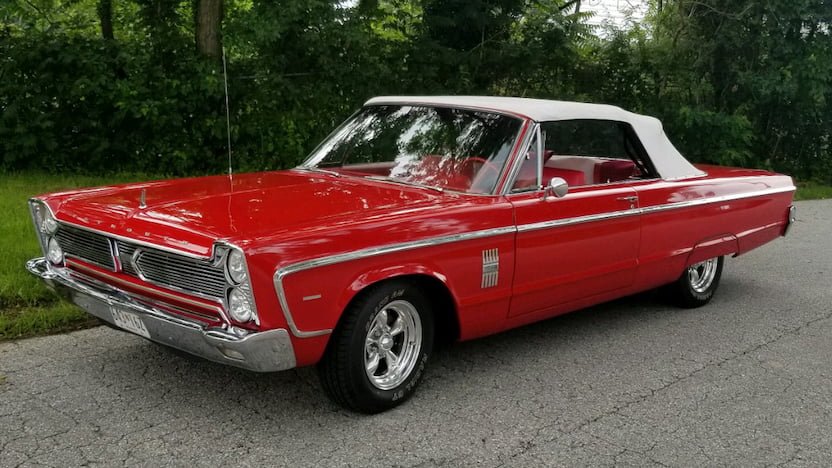
The 1966 Plymouth Fury III represented a bold departure from its predecessors, embracing a new design language that emphasized sleekness and modernity. It embodied the spirit of the mid-1960s, a time when American car design was characterized by dramatic styling and a penchant for larger-than-life proportions.
Unique Styling Cues
The 1966 Fury III’s design was distinguished by several unique styling cues that contributed to its overall appeal.
- The grille featured a prominent horizontal chrome bar that extended across the entire width of the front end, flanked by a pair of vertical chrome bars that framed the headlights. This bold design element emphasized the car’s wide stance and gave it a distinctive, almost imposing presence.
- The headlights were recessed into the front fenders, giving the car a more streamlined look. The design also incorporated a unique “eyebrow” above each headlight, which added a touch of sophistication to the overall design.
- The taillights were another striking feature, consisting of three horizontal red lenses that were integrated into the rear bumper. The design was simple yet elegant, and it effectively emphasized the car’s width and low-slung profile.
Comparison with Contemporary Models
The 1966 Fury III’s design was a departure from the more conservative styling of earlier Fury models, and it also differed significantly from the designs of other contemporary cars.
- Compared to the Ford Galaxie 500, which was a major competitor at the time, the Fury III’s design was more angular and aggressive. The Galaxie 500, on the other hand, featured a more rounded and flowing design.
- The Chevrolet Impala, another popular choice in the full-size car segment, had a more traditional design that leaned heavily on chrome trim. The Fury III’s design was more minimalist and modern, with less reliance on chrome ornamentation.
Interior Features and Comfort
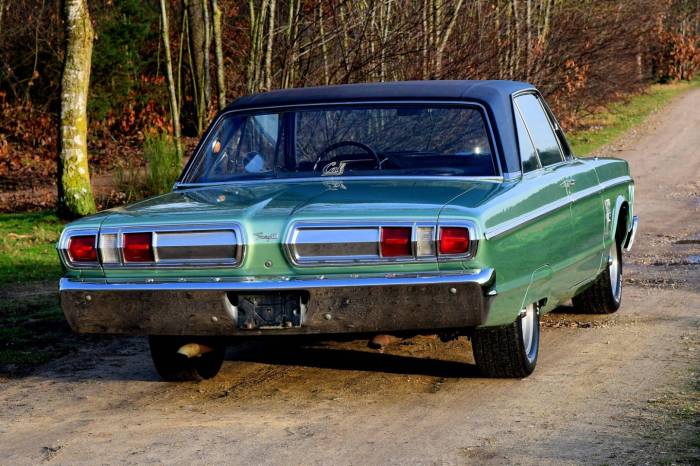
The 1966 Plymouth Fury III offered a comfortable and stylish interior that was a testament to the era’s design trends. The interior design aimed to provide a luxurious and spacious environment for passengers.
Interior Design and Materials
The Fury III’s interior was a blend of comfort and style, featuring a variety of materials and design elements. Vinyl upholstery was standard, while luxurious cloth and leather options were available for a more premium feel. The dashboard was crafted with a combination of woodgrain accents and vinyl, giving it a sophisticated look.
The 1966 Plymouth Fury III was a full-size sedan known for its spacious interior and powerful engine options. While the Fury III was a pillar of comfort and luxury, Plymouth also offered a sportier option with the 1974 Plymouth Barracuda , a muscle car that captured the hearts of enthusiasts with its sleek design and performance capabilities.
Both vehicles, despite their contrasting personalities, represented Plymouth’s commitment to offering a diverse range of models for different driving needs and tastes.
The instrument panel was designed to be easy to read and use, with large, clear gauges and controls.
Seating Options and Comfort Features
The Fury III offered a range of seating options to suit different needs. The standard bench seat could accommodate three passengers in the front, while optional bucket seats provided a more sporty and individual driving experience. The rear seat offered ample legroom and comfort for passengers.
The Fury III also featured several comfort features, including:
- Air conditioning
- Power steering
- Power brakes
- An optional tilt steering wheel
- A padded dashboard and door panels for a more comfortable ride
Dashboard Layout and Instrumentation
The dashboard of the 1966 Plymouth Fury III was designed to be both stylish and functional. It featured a large, central instrument panel that housed the speedometer, tachometer, fuel gauge, and temperature gauge. The instrument panel was flanked by a variety of controls, including the radio, heater controls, and the optional air conditioning system.
The dashboard also featured a woodgrain trim that added a touch of elegance to the interior.
Engine and Performance
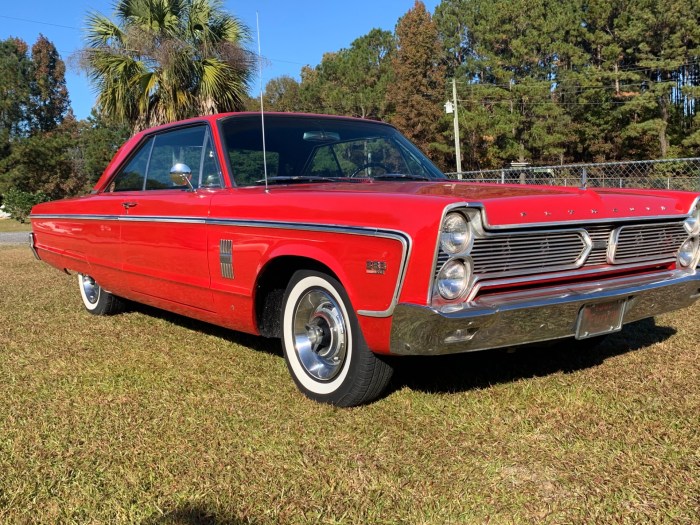
The 1966 Plymouth Fury III offered a range of powerful engines to cater to different driver preferences and needs. These engines were known for their robust performance and reliability, making the Fury III a popular choice for both everyday driving and spirited adventures.
Engine Options and Specifications
The Fury III came with three engine options, each offering a unique blend of power and efficiency. These engines were designed to provide a smooth and responsive driving experience, ensuring that the Fury III could handle any situation with ease.
- 318 cu in (5.2 L) LA-series V8: This engine was the standard offering, producing 230 hp and 325 lb-ft of torque. It provided a balance of power and fuel efficiency, making it suitable for everyday driving.
- 383 cu in (6.3 L) B-series V8: This engine was a step up in performance, delivering 300 hp and 380 lb-ft of torque. It offered a more spirited driving experience, making it ideal for those who wanted more power and acceleration.
- 440 cu in (7.2 L) B-series V8: This engine was the top-of-the-line option, boasting 365 hp and 465 lb-ft of torque. It was a powerful and responsive engine that provided a thrilling driving experience.
Performance Comparison
The Fury III’s performance was considered impressive for its time. The 318 cu in V8 provided adequate power for everyday driving, while the 383 cu in and 440 cu in V8 engines delivered exhilarating performance that rivaled many sports cars of the era.
The Fury III’s performance could be compared to other popular vehicles of the time, such as the Ford Galaxie 500, Chevrolet Impala, and Pontiac Catalina. While these vehicles offered similar levels of comfort and spaciousness, the Fury III stood out with its powerful engine options and sporty handling.
Driving Experience and Handling: 1966 Plymouth Fury III
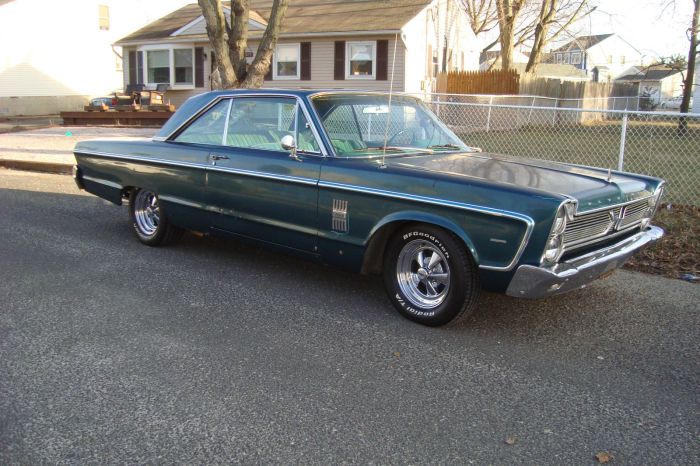
The 1966 Plymouth Fury III, despite its size and weight, offered a surprisingly comfortable and capable driving experience. While not known for its sporty handling, it provided a smooth and stable ride that was typical of American full-size sedans of the era.
Ride Quality and Comfort
The Fury III’s ride quality was characterized by its smooth and comfortable nature. The suspension, a combination of coil springs and shock absorbers, effectively absorbed bumps and irregularities in the road surface. The car’s long wheelbase and substantial weight contributed to a stable and predictable ride, minimizing body roll and pitching.
The 1966 Plymouth Fury III, a full-size sedan, represented a shift in design for Plymouth, embracing a more modern and streamlined aesthetic. While it was a far cry from the earlier models like the 1935 Plymouth Deluxe , which featured a more traditional design, both cars embodied the spirit of their respective eras.
The Fury III, with its powerful engine and sleek lines, appealed to a generation seeking both comfort and performance.
This made the Fury III a comfortable choice for long drives and everyday commuting.
The 1966 Plymouth Fury III, a symbol of American muscle car culture, stands in stark contrast to its earlier counterpart, the 1933 Plymouth 2-Dr Coupe. While the Fury III exuded power and presence, the 1933 model was a testament to the early days of automotive design, showcasing a more compact and elegant aesthetic.
Both vehicles, however, played significant roles in shaping the Plymouth brand’s legacy.
Handling Characteristics
The Fury III’s handling was more akin to a large cruiser than a sporty sedan. Its size and weight, coupled with the relatively soft suspension, resulted in a less responsive and agile feel compared to contemporary mid-size cars. However, the Fury III’s steering was precise and offered a good amount of feedback, allowing for controlled maneuvers.
While not designed for aggressive driving, it was capable of handling turns with stability and composure.
Comparison to Other Full-Size Sedans
Compared to other full-size sedans of the time, the Fury III offered a similar driving experience. Cars like the Chevrolet Impala, Ford Galaxie, and Chrysler Newport were all known for their comfortable ride and relatively stable handling. The Fury III, however, was often praised for its smooth and quiet ride, making it a popular choice for those seeking a comfortable and luxurious driving experience.
Cultural Impact and Legacy
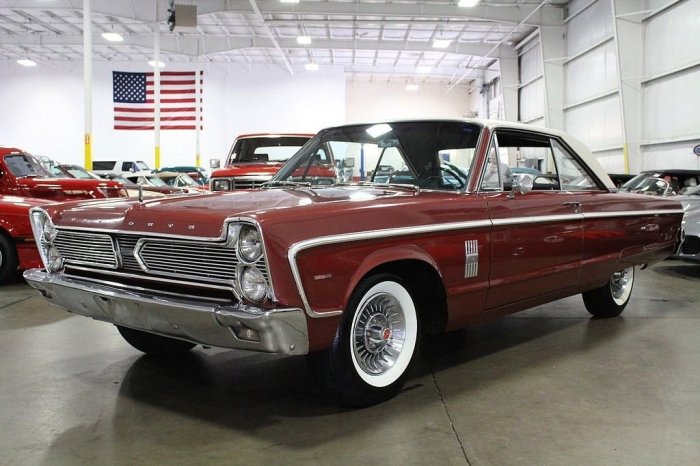
The 1966 Plymouth Fury III left a mark on popular culture, becoming a symbol of its era and capturing the spirit of the times. Its sleek design and powerful performance made it a desirable vehicle, while its appearances in various media solidified its place in the public imagination.
Appearances in Media
The 1966 Plymouth Fury III’s distinctive design and powerful presence made it a natural choice for appearances in films, television shows, and music.
- The Fury III’s starring role in the 1968 horror film “The Fury” solidified its association with suspense and mystery.
- The car also made appearances in various television shows, including “The Rockford Files” and “The Dukes of Hazzard.”
- The Fury III’s iconic status was further cemented through its inclusion in several music videos, most notably the 1980s video for the song “The Cars” by The Cars.
The Car’s Lasting Legacy
The 1966 Plymouth Fury III’s influence on the automotive industry is undeniable. Its bold design and performance capabilities paved the way for future muscle car models, while its reputation as a reliable and durable vehicle cemented its place in American automotive history.
The Fury III’s enduring popularity can be attributed to its combination of style, power, and affordability, making it a desirable vehicle for both everyday driving and performance enthusiasts.
Collecting and Restoration
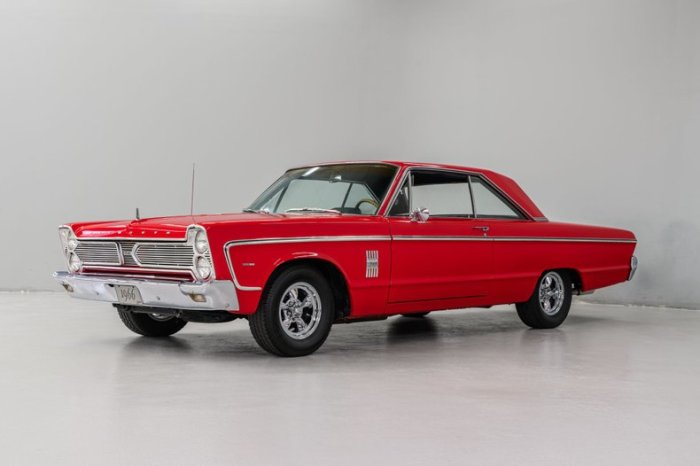
The 1966 Plymouth Fury III, with its classic design and powerful engine, has gained significant popularity among collectors. As a result, finding and restoring these cars can be a rewarding, albeit challenging, endeavor.
Current Value and Desirability
The value of a 1966 Fury III varies significantly depending on its condition, mileage, and options. A well-maintained, original Fury III can fetch a premium price, while those requiring extensive restoration may be priced lower.
- Restored examplesof the Fury III, especially those with desirable options like the 440 cubic-inch engine, can command prices upwards of $20,000.
- Original, unrestored carsin good condition typically sell for between $10,000 and $15,000.
- Cars needing restorationmay be found for as low as $5,000, but the cost of restoring a Fury III can quickly add up.
Common Restoration Challenges, 1966 Plymouth Fury III
Restoring a 1966 Fury III can be a labor of love, but it also presents unique challenges.
- Finding partscan be difficult, as some components are no longer in production. Fortunately, a dedicated network of Fury III enthusiasts and specialized parts suppliers exists to assist owners.
- Rustis a common problem, particularly on cars that have spent time in areas with harsh climates. Addressing rust requires thorough inspection and repair, which can be time-consuming and costly.
- Interior restorationcan be challenging, as finding original upholstery and trim pieces can be difficult. Owners may need to seek out aftermarket suppliers or consider reupholstering the interior.
Resources for Owners
Several resources are available to owners of 1966 Fury IIIs.
- Online forums and communitiesdedicated to the Fury III provide a platform for owners to connect, share information, and seek advice.
- Specialized parts supplierscater to the needs of Fury III owners, offering a wide range of parts and accessories.
- Restoration shopsspecializing in classic cars can provide professional services for restoring a Fury III to its former glory.
Finding and Acquiring a Fury III
Finding a 1966 Fury III for sale can be done through various channels.
- Online marketplaceslike eBay and Craigslist often have listings for Fury IIIs.
- Classic car auctionscan be a good source for finding well-maintained or restored Fury IIIs.
- Local car clubs and enthusiastsmay have leads on Fury IIIs for sale in their area.
Maintaining a Fury III
Once you’ve acquired a 1966 Fury III, regular maintenance is essential to keep it running smoothly.
- Routine servicingshould include oil changes, tune-ups, and inspections of the brakes, suspension, and steering systems.
- Proper storageis crucial to prevent rust and damage.
- Regular cleaning and detailingwill help preserve the Fury III’s appearance.
Outcome Summary
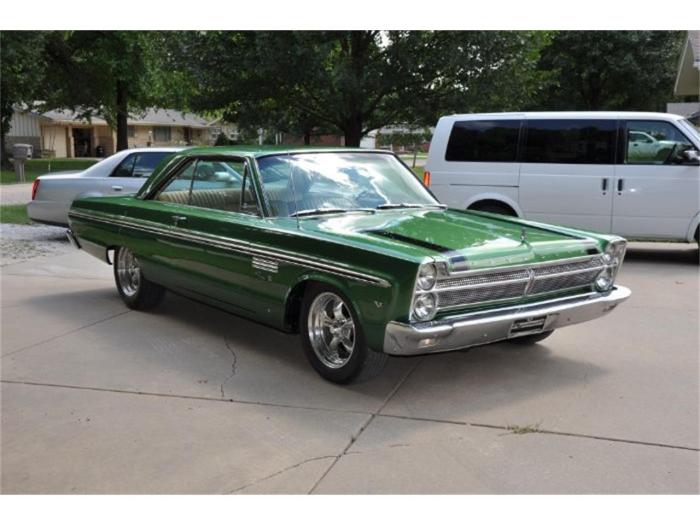
The 1966 Plymouth Fury III remains a cherished classic, capturing the spirit of a bygone era when American muscle cars ruled the roads. Its timeless design, powerful engines, and comfortable interior continue to captivate enthusiasts today. Whether you’re a collector seeking a piece of automotive history or a car enthusiast yearning for a taste of classic American muscle, the 1966 Fury III offers a unique and unforgettable driving experience.
Its legacy continues to inspire generations of car lovers, solidifying its place as a true icon of American automotive history.