The 2001 Honda Prelude, a classic sports coupe that captivated enthusiasts with its sleek design, powerful engine, and agile handling, continues to be a sought-after vehicle. This generation of the Prelude, known for its sharp styling and advanced features, marked a significant chapter in Honda’s history.
The Prelude’s appeal stemmed from its blend of performance, practicality, and affordability, making it a popular choice for drivers seeking a thrilling yet attainable driving experience.
The Prelude’s legacy extends beyond its technical specifications. It represented a shift in Honda’s design language, moving towards a more aggressive and aerodynamic aesthetic. This approach, coupled with the Prelude’s potent engine and precise handling, solidified its reputation as a true driver’s car.
Whether cruising on open roads or carving corners on winding tracks, the 2001 Honda Prelude delivered an engaging and rewarding driving experience.
The 2001 Honda Prelude: A Sporty Icon
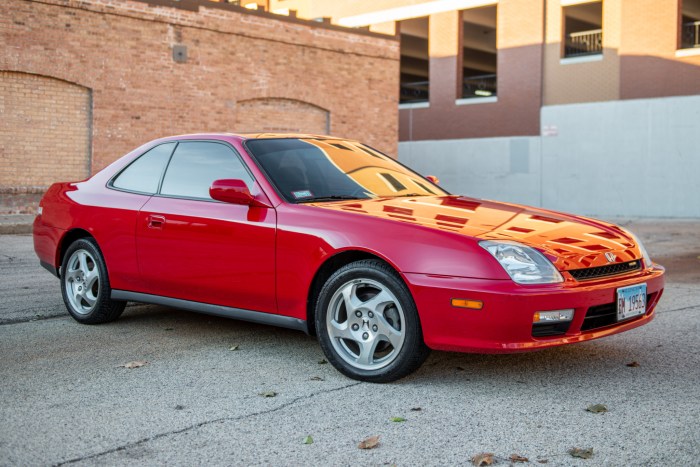
The 2001 Honda Prelude marked the final year of production for this iconic sports coupe, leaving behind a legacy of performance, style, and driver engagement. It was a car that captured the hearts of enthusiasts, carving a niche for itself in the competitive world of sports cars.The 2001 Prelude represented a culmination of Honda’s engineering expertise, offering a blend of power, handling, and design that was both thrilling and practical.
It wasn’t just a fast car; it was a driver’s car, designed to provide an immersive and rewarding experience behind the wheel.
Key Features and Specifications
The 2001 Honda Prelude was powered by a 2.2-liter, 4-cylinder engine that produced 195 horsepower and 155 lb-ft of torque. This engine was paired with a 5-speed manual transmission or a 4-speed automatic transmission. The Prelude’s lightweight construction and well-balanced chassis contributed to its impressive handling and agility.
It was known for its precise steering, responsive throttle, and excellent cornering capabilities. The 2001 Prelude featured a distinctive design that combined sleek lines with functional aerodynamics. Its low-slung profile, sloping roofline, and aggressive front fascia conveyed a sense of sportiness and purpose.
Inside, the Prelude offered a driver-focused cockpit with comfortable seats, well-placed controls, and a sporty ambiance.
The 2001 Honda Prelude, with its sleek design and powerful engine, was a popular choice for those seeking a sporty coupe. While it wasn’t known for its fuel efficiency, Honda’s focus on efficiency was evident in their release of the 2006 Honda Insight , a hybrid model that offered impressive mileage.
The Prelude’s legacy, however, continues to be celebrated by enthusiasts who appreciate its performance and distinctive styling.
Target Audience and Market Position
The 2001 Honda Prelude targeted a young, affluent, and performance-oriented audience. It was positioned as a sporty and stylish alternative to more mainstream coupes like the Toyota Celica and the Mazda MX-5 Miata. The Prelude offered a balance of performance, practicality, and affordability, making it an attractive option for drivers seeking a fun and engaging driving experience.
Design and Styling
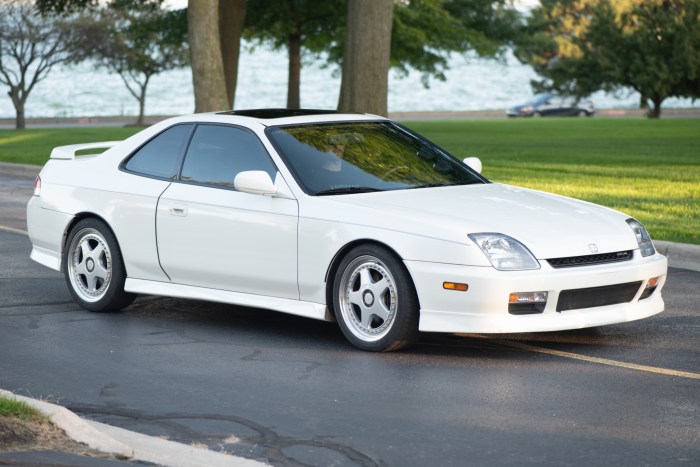
The 2001 Honda Prelude, a sporty coupe that captured the hearts of enthusiasts, possessed a distinctive design that reflected its performance-oriented nature. Its sleek lines, aerodynamic curves, and bold styling elements set it apart from the competition.
Exterior Design
The exterior design of the 2001 Honda Prelude was characterized by its low-slung profile, sculpted bodywork, and aggressive front fascia. The front end featured a prominent grille with a large Honda emblem, flanked by sharp, angular headlights. The sloping hood and the distinctive “power bulge” above the engine compartment added to its sporty appeal.
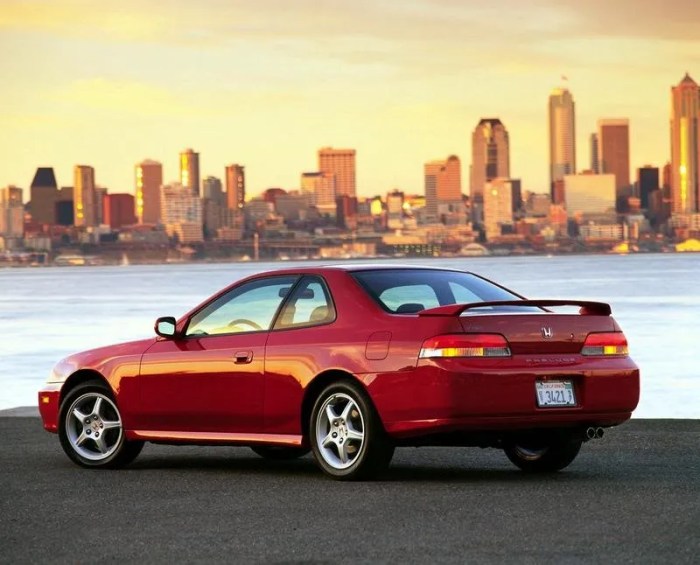
The side profile showcased a long, sweeping roofline, flowing into a short, stubby rear deck. The rear end was equally striking, with a wide, integrated spoiler, taillights that wrapped around the rear fenders, and a diffuser-like element below the bumper.
Interior Design
The interior of the 2001 Honda Prelude was designed with a focus on driver-centric ergonomics and sporty aesthetics. The cockpit was characterized by a driver-oriented layout, with the instrument panel and center console angled towards the driver. The seats were supportive and comfortable, offering a good balance of comfort and lateral support during spirited driving.
The interior materials were of high quality, with a mix of soft-touch plastics and metallic accents. The instrument panel featured a clear and easy-to-read gauge cluster, while the center console housed a simple but functional audio system and climate control interface.
Design Philosophy and Inspiration
The design of the 2001 Honda Prelude was inspired by the principles of aerodynamics and performance. Honda’s engineers and designers aimed to create a car that was both visually striking and capable of delivering an engaging driving experience. The low-slung profile, sloping roofline, and aerodynamic bodywork were all designed to reduce drag and improve stability at high speeds.
The aggressive front fascia and rear spoiler further enhanced the car’s aerodynamic performance.
Performance and Handling
The 2001 Honda Prelude was renowned for its engaging driving experience, blending a sporty character with everyday practicality. Its performance and handling were key attributes that contributed to its popularity among enthusiasts.
Engine Specifications and Performance
The 2001 Honda Prelude was offered with two engine options, both featuring Honda’s renowned VTEC technology. The base engine was a 2.2-liter four-cylinder producing 160 horsepower and 150 lb-ft of torque. The more powerful option was a 2.0-liter four-cylinder with VTEC, generating 195 horsepower and 142 lb-ft of torque.
Both engines were mated to a five-speed manual transmission or a four-speed automatic.The 2001 Honda Prelude’s performance was impressive for its class. The base engine provided adequate acceleration, while the VTEC engine delivered a thrilling driving experience, particularly at higher revs.
The 2001 Honda Prelude, with its sleek lines and powerful engine, represented a peak in Honda’s sporty coupe design. While it offered a modern take on the classic Prelude formula, it’s worth noting the legacy of its predecessor, the 1993 Honda Prelude , which introduced the iconic pop-up headlights and cemented the Prelude’s reputation as a driver’s car.
The 2001 model, however, marked the end of an era for the Prelude, as Honda decided to discontinue the model line, leaving a void in the market for enthusiasts seeking a unique and engaging driving experience.
The Prelude’s relatively light weight and well-balanced chassis contributed to its agility and responsiveness.
Handling and Driving Dynamics
The 2001 Honda Prelude’s handling was precise and predictable. Its independent suspension system, featuring MacPherson struts in the front and a double wishbone setup in the rear, provided a comfortable ride while maintaining excellent control. The Prelude’s steering was responsive and offered good feedback, allowing drivers to feel connected to the road.The Prelude’s low center of gravity and wide track contributed to its stability and handling prowess.
The 2001 Honda Prelude, with its sleek design and sporty handling, was a popular choice for car enthusiasts. While it offered a different driving experience compared to the more family-oriented Honda Accord, it shared a similar commitment to reliability and performance.
If you’re looking for a classic Honda with a bit more room, check out the 1994 Honda Accord , which offers a comfortable ride and a spacious interior. But if you’re after a truly engaging driving experience, the 2001 Prelude is the way to go.
It was capable of handling corners with confidence, exhibiting minimal body roll. The car’s well-tuned suspension provided a balanced compromise between comfort and sportiness.
Comparison to Competitors
The 2001 Honda Prelude competed against other sporty coupes in its class, such as the Toyota Celica, Mazda MX-5 Miata, and Nissan 240SX. While the Prelude’s base engine offered comparable performance to its rivals, the VTEC engine provided a significant power advantage.The Prelude’s handling was widely regarded as one of its strengths, surpassing its competitors in terms of precision and feedback.
Its well-balanced chassis and responsive steering made it a joy to drive on winding roads.
The 2001 Honda Prelude was a true driver’s car, offering a blend of performance, handling, and practicality that made it a popular choice among enthusiasts.
Reliability and Durability
The 2001 Honda Prelude, known for its sporty design and performance, also enjoys a reputation for reliability and durability. Honda vehicles are generally considered to be well-built and long-lasting, and the Prelude is no exception. However, like any car, it has its own set of potential issues that owners should be aware of.
Common Maintenance Issues and Repair Costs
Understanding common maintenance issues and their associated costs is crucial for making informed decisions about owning a 2001 Honda Prelude.
- Engine Issues:The 2.2L H22A engine, while known for its power, can experience issues like valve seal leaks, which may lead to oil consumption. The timing belt should be replaced every 60,000 miles to prevent potential engine damage.
- Transmission Problems:The 5-speed manual transmission is generally reliable, but the automatic transmission can develop issues with solenoids and torque converters. Regular fluid changes and maintenance are essential.
- Suspension and Steering:The Prelude’s independent suspension can wear out over time, requiring replacement of components like control arm bushings, ball joints, and tie rod ends. The power steering rack can also develop leaks.
- Electrical System:The Prelude’s electrical system, like many cars of its era, can experience issues with sensors, wiring, and the alternator. Regular inspections and maintenance can help prevent major electrical problems.
The average cost of repairs for a 2001 Honda Prelude can vary depending on the specific issue, location, and mechanic. However, it’s generally considered to be relatively affordable, especially when compared to other sports cars of the same era.
Long-Term Ownership Experience
Owners of the 2001 Honda Prelude often praise its reliability and durability. Many report that their cars have lasted for hundreds of thousands of miles with minimal issues, particularly those who have kept up with regular maintenance.
The Prelude’s sporty handling, responsive engine, and overall driving experience contribute to a positive long-term ownership experience. While some parts may require replacement over time, the car’s reputation for longevity and relatively low repair costs make it a desirable choice for enthusiasts.
Safety Features
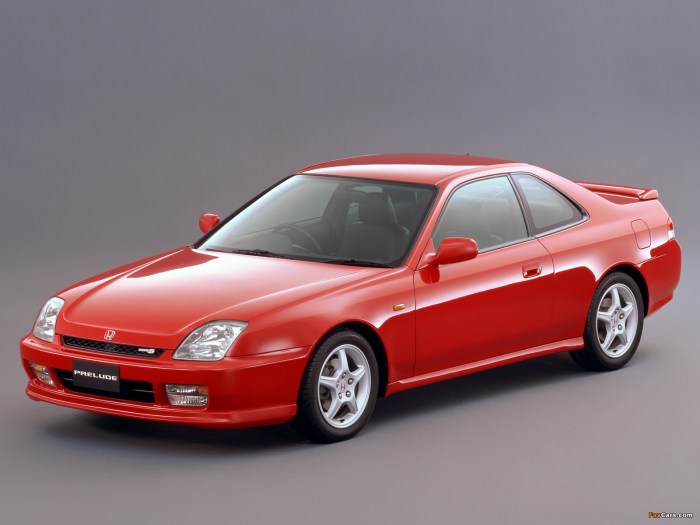
The 2001 Honda Prelude, while known for its sporty performance, also prioritized safety for its occupants. It came equipped with a comprehensive suite of safety features designed to protect drivers and passengers in the event of an accident.The 2001 Honda Prelude was designed with safety in mind, incorporating a robust structure, crumple zones, and advanced safety technologies.
Safety Features in the 2001 Honda Prelude
The 2001 Honda Prelude featured several safety features, including:
- Dual Front Airbags:These airbags deployed in the event of a frontal collision, cushioning the driver and front passenger from impact forces.
- Anti-Lock Braking System (ABS):ABS helped prevent wheel lock-up during braking, allowing the driver to maintain steering control and avoid skidding, especially on slippery surfaces.
- Side Impact Beams:These beams were integrated into the doors and provided additional protection for occupants in side collisions.
- Three-Point Seatbelts:All seating positions had three-point seatbelts, which helped restrain occupants during a crash and reduce the risk of serious injuries.
- Child Safety Locks:These locks were included to prevent children from opening rear doors while the vehicle was in motion.
Safety Ratings and Crash Test Performance
The 2001 Honda Prelude was subjected to independent crash tests by organizations such as the National Highway Traffic Safety Administration (NHTSA) and the Insurance Institute for Highway Safety (IIHS). The results of these tests provide valuable insights into the safety performance of the vehicle.
The 2001 Honda Prelude achieved a four-star rating for the driver and front passenger in the NHTSA’s frontal crash test. It also earned a good rating in the IIHS’s frontal offset crash test. These ratings indicated that the Prelude provided a good level of protection in frontal collisions.
It’s important to note that safety ratings can vary based on the specific trim level and model year.
Safety Design and Engineering
The 2001 Honda Prelude incorporated several design and engineering features to enhance safety:
- Rigid Body Structure:The Prelude’s body structure was designed to be strong and rigid, helping to absorb and distribute impact forces in a crash.
- Crumple Zones:These zones were strategically placed in the front and rear of the vehicle, designed to collapse in a controlled manner during a collision, absorbing energy and minimizing the force transmitted to the passenger compartment.
- High-Strength Steel:The use of high-strength steel in critical areas of the vehicle’s structure enhanced its overall strength and rigidity.
Ownership Experience
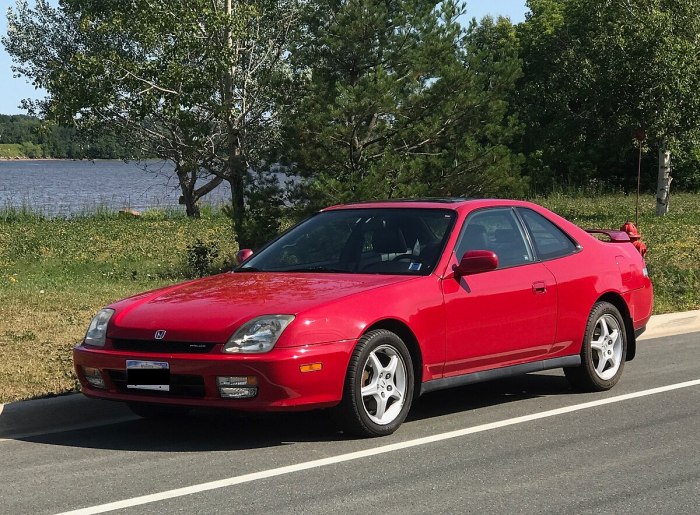
The 2001 Honda Prelude, a beloved sports car, offers a unique ownership experience. From its sleek design to its responsive handling, the Prelude has captivated enthusiasts for years. However, like any car, it comes with its own set of advantages and disadvantages.
Let’s delve into the real-world experiences of Prelude owners, exploring the highs and lows of owning this iconic sports car.
Owner Anecdotes and Experiences
Many Prelude owners praise the car’s sporty driving dynamics and its ability to deliver an engaging and thrilling experience. The responsive steering, precise handling, and powerful engine make it a joy to drive on winding roads. However, some owners have expressed concerns about the car’s limited rear seat space and trunk capacity, making it less practical for families or those who need frequent cargo hauling.
Cost of Ownership
The 2001 Honda Prelude generally boasts a relatively low cost of ownership, thanks to its reliable engine and robust build quality.
Fuel Economy
The 2001 Prelude’s fuel economy is respectable for a sports car. The 2.2L 4-cylinder engine, paired with a 5-speed manual transmission, can achieve an average of 24 mpg in the city and 31 mpg on the highway. However, fuel efficiency can vary depending on driving habits and road conditions.
Insurance Costs
Insurance premiums for a 2001 Honda Prelude can vary based on factors such as your location, driving record, and coverage options. However, due to its relatively low performance compared to other sports cars, insurance costs for the Prelude tend to be more affordable.
Maintenance Expenses
The 2001 Honda Prelude is known for its reliability and durability. Regular maintenance, including oil changes, tire rotations, and brake inspections, can help keep the car running smoothly for years. However, some owners have reported experiencing occasional issues with the car’s electrical system or suspension components, which can require repairs.
Pros and Cons of Owning a 2001 Honda Prelude
| Pros | Cons |
|---|---|
| Sporty driving dynamics | Limited rear seat space |
| Reliable engine and build quality | Small trunk capacity |
| Relatively low cost of ownership | Potential for electrical system issues |
| Affordable insurance premiums | Limited availability of parts |
Legacy and Impact: 2001 Honda Prelude
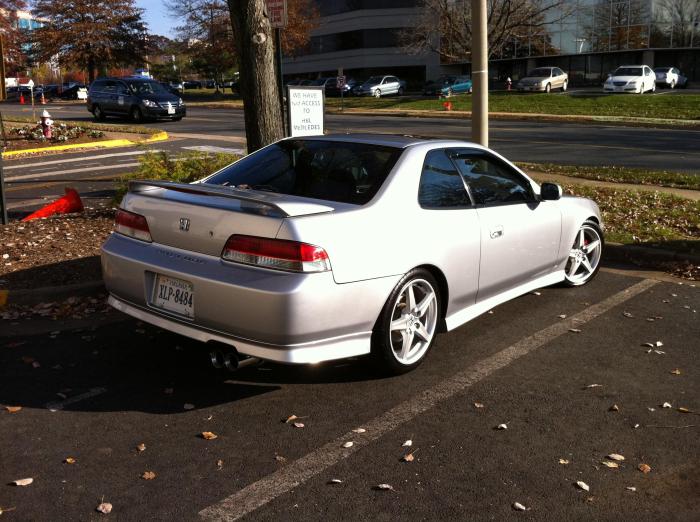
The 2001 Honda Prelude, despite its discontinuation, left an enduring mark on the automotive landscape. It cemented the Prelude’s reputation as a sporty and stylish coupe, influencing both Honda’s subsequent design language and the broader coupe market. Its legacy continues to inspire car enthusiasts, who appreciate its blend of performance, handling, and practicality.
Evolution of the Honda Prelude Model Line
The Honda Prelude’s evolution over its five generations is a testament to its enduring appeal. From its humble beginnings as a compact coupe in 1978, the Prelude gradually grew in size and sophistication, culminating in the sleek and powerful 2001 model.
Each generation introduced significant improvements in design, performance, and technology, reflecting Honda’s commitment to innovation and customer satisfaction.
- First Generation (1978-1982):The original Prelude was a compact and affordable coupe that introduced the world to Honda’s sporty aspirations. It featured a distinctive wedge-shaped design and a peppy 1.6-liter engine.
- Second Generation (1983-1987):The second generation Prelude saw a significant increase in size and power. It featured a more aerodynamic design, a larger 1.8-liter engine, and the introduction of a fuel-injected version.
- Third Generation (1988-1991):The third generation Prelude further refined the formula, offering a more luxurious interior, a powerful 2.0-liter engine, and advanced suspension technology.
- Fourth Generation (1992-1996):The fourth generation Prelude introduced a more aggressive design, a powerful VTEC engine, and a host of technological advancements, including ABS and airbags.
- Fifth Generation (1997-2001):The fifth and final generation Prelude was the most sophisticated and powerful yet. It featured a sleek and aerodynamic design, a potent 2.2-liter VTEC engine, and a refined driving experience.
Comparison to Predecessors and Successors
The 2001 Honda Prelude stands out as a pinnacle of the model line, combining the best elements of its predecessors with innovative features. Compared to its predecessors, the 2001 Prelude boasted a more refined and powerful engine, a more sophisticated suspension, and a more luxurious interior.
However, it lacked the raw driving excitement of some of its earlier counterparts. In comparison to its successors, the 2001 Prelude stands out as a unique and desirable model. While the later generations of the Honda Accord coupe and the Acura RSX offered similar performance and styling, they lacked the distinctive character and driving experience of the Prelude.
The 2001 Prelude’s absence of a direct successor left a void in Honda’s lineup, a void that has yet to be filled.
Final Wrap-Up
The 2001 Honda Prelude stands as a testament to Honda’s commitment to crafting vehicles that are both fun to drive and reliable. Its sleek design, potent engine, and agile handling continue to captivate enthusiasts, while its enduring reputation for quality and affordability makes it a compelling choice for those seeking a classic sports coupe.
The Prelude’s impact on the automotive landscape is undeniable, and its legacy continues to inspire generations of drivers.