The 1999 Honda S2000, a name synonymous with pure driving thrills, burst onto the scene as a testament to Honda’s engineering prowess and passion for performance. This roadster, a spiritual successor to the iconic S600, was designed to deliver an unadulterated driving experience, a philosophy that resonated deeply with enthusiasts around the globe.
From its screaming VTEC engine to its razor-sharp handling, the S2000 became a benchmark for lightweight, agile sports cars, captivating drivers with its intoxicating blend of power, precision, and pure driving joy.
The S2000’s arrival marked a shift in the sports car landscape. It offered a compelling alternative to the European heavyweights, boasting a lightweight chassis, a high-revving naturally aspirated engine, and a focus on driver engagement that was unmatched at the time.
The car’s design, both inside and out, was meticulously crafted to enhance the driving experience, with a driver-centric cockpit and a focus on functionality over frills. The S2000 wasn’t just a car; it was a statement, a symbol of a commitment to driving purity and an embodiment of Honda’s engineering excellence.
Introduction
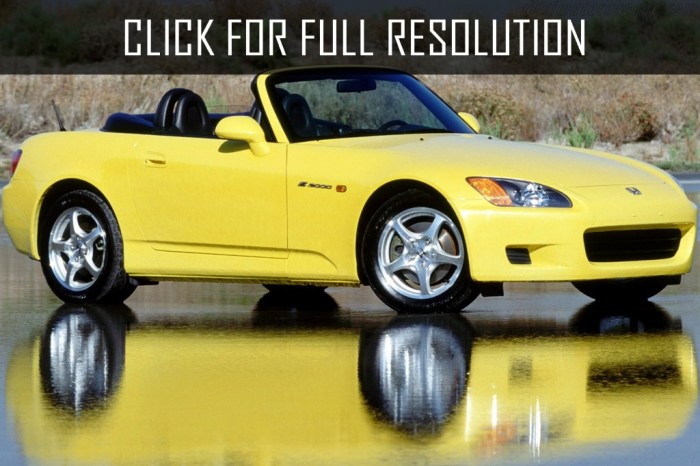
The 1999 Honda S2000, launched to celebrate Honda’s 50th anniversary, marked a significant milestone in the sports car market. It represented a departure from the company’s typical approach, focusing on raw driving pleasure and a lightweight, high-revving engine. The S2000’s introduction also marked a resurgence of interest in naturally aspirated, high-revving engines, which had been largely replaced by turbocharged engines in the 1990s.The S2000 was designed to be a driver’s car, prioritizing handling and performance over outright speed.
It featured a lightweight, rigid chassis, a powerful yet efficient engine, and a precise, responsive steering system. This combination of attributes made the S2000 a highly engaging and rewarding car to drive, particularly on winding roads.
The S2000’s Design Philosophy
The S2000 was designed with a specific target audience in mind: enthusiasts who appreciated the purity of driving experience. It was intended to be a modern interpretation of classic roadster designs, such as the Lotus Elan and the Mazda MX-5 Miata.
The design philosophy emphasized simplicity, lightness, and a focus on the fundamental elements of driving.
Key Features That Made the S2000 Stand Out
The S2000’s success was due to a combination of factors, including:
- Lightweight Design:The S2000 was designed with a focus on minimizing weight, resulting in a curb weight of just over 2,400 pounds. This lightweight design contributed to its nimble handling and quick acceleration.
- High-Revving Engine:The S2000’s 2.0-liter, four-cylinder engine was a masterpiece of engineering. It was designed to rev freely and produce peak power at a high 8,300 RPM. The engine’s responsiveness and exhilarating high-rpm power delivery were among the S2000’s most celebrated attributes.
The 1999 Honda S2000, with its screaming VTEC engine and nimble handling, was a true driver’s car. But if you’re looking for something a bit more luxurious and spacious, the 1998 Honda Inspire might be a better fit. It’s still a Honda, so you know it’s reliable and built to last, but it offers a more refined experience with its plush interior and smooth ride.
Ultimately, the choice between these two iconic Hondas comes down to your priorities: pure driving thrills or a comfortable and stylish ride.
- Precise Handling:The S2000’s suspension and steering systems were tuned for precision and responsiveness. The car was known for its neutral handling, which allowed drivers to push it to its limits with confidence.
- Unique Design:The S2000’s design was both distinctive and functional. Its low-slung profile, flared fenders, and pop-up headlights gave it a sporty and aggressive look. The design also incorporated aerodynamic elements that improved stability at high speeds.
Engine and Performance
The heart of the S2000 is its high-revving, naturally aspirated 2.0-liter four-cylinder engine, a testament to Honda’s engineering prowess. This engine, known internally as the F20C, is a masterpiece of design and execution, pushing the boundaries of naturally aspirated performance.
Engine Specifications
The F20C engine boasts impressive specifications:* Displacement:1997 cc (2.0 L)
Power Output
240 hp (179 kW) at 8300 rpm
Torque
153 lb⋅ft (207 N⋅m) at 7500 rpm
Redline
9000 rpmThese figures are impressive for a naturally aspirated engine, especially considering the S2000’s lightweight construction.
VTEC Technology
A key factor in the S2000’s performance is its Variable Valve Timing and Lift Electronic Control (VTEC) system. VTEC seamlessly switches between two camshaft profiles, optimizing valve timing and lift for different engine speeds. * Low RPM:The engine operates in a low-lift, low-duration cam profile, maximizing torque and fuel efficiency.
High RPM
As the engine revs higher, VTEC engages, switching to a high-lift, high-duration cam profile, unleashing the engine’s full power potential.This ingenious system allows the S2000 to deliver both strong low-end torque and exhilarating high-rpm performance, making it a joy to drive on both city streets and winding roads.
Performance Metrics, 1999 Honda S2000
The S2000’s performance metrics were highly competitive for its time:* 0-60 mph:5.5 seconds (manual transmission)
Top Speed
150 mph (electronically limited)These figures placed the S2000 among the top performers in its class, rivaling sports cars like the BMW Z3 M Coupe and the Porsche Boxster.
Unique Characteristics
The S2000’s engine is known for its high-revving nature, making it a true driver’s car. The engine’s redline of 9000 rpm is a testament to its high-performance design. * High-Revving Nature:The engine’s smooth and linear power delivery encourages the driver to push the engine to its limits, making the S2000 a truly exhilarating driving experience.
Unique Sound
The F20C engine produces a distinctive, high-pitched exhaust note that is both melodic and aggressive, further enhancing the driving experience.The S2000’s engine is a masterpiece of engineering, delivering both performance and character. It’s a testament to Honda’s commitment to building high-performance, driver-focused vehicles.
Handling and Dynamics
The Honda S2000 is renowned for its exceptional handling, a testament to its well-engineered suspension and balanced weight distribution. This dynamic combination empowers the S2000 to carve corners with precision and confidence, making it a true driver’s car.
Suspension Setup and Handling Characteristics
The S2000’s suspension system plays a crucial role in its agile handling. It features a double wishbone setup at the front and a multi-link setup at the rear, meticulously tuned to provide a balance of comfort and responsiveness. The suspension components are made from high-quality materials and are designed to minimize body roll and maintain precise wheel control.
This setup allows the S2000 to handle high-speed cornering with remarkable stability, while also offering a compliant ride over uneven surfaces.
Weight Distribution and Cornering Ability
The S2000’s near-perfect 50/50 weight distribution is a key factor in its exceptional cornering ability. This balance ensures that the car remains stable and predictable even when pushed to its limits. The low center of gravity, achieved by placing the engine behind the front axle, further enhances stability and minimizes body roll.
This optimal weight distribution enables the S2000 to handle tight corners with remarkable agility and precision.
Steering Feel and Feedback
The S2000’s steering is known for its responsiveness and precise feedback. The rack-and-pinion steering system is calibrated to provide a direct connection between the driver’s input and the front wheels. This allows the driver to feel the road surface and precisely control the car’s direction.
The steering wheel is also relatively small and well-weighted, further enhancing the driver’s sense of connection with the road.
Interior and Comfort
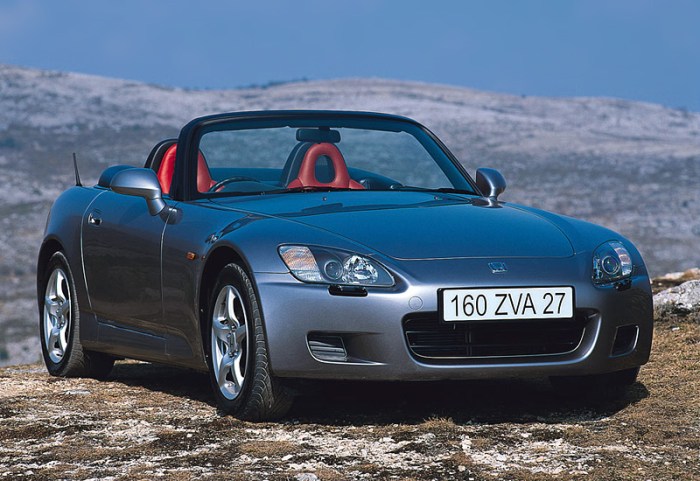
The 1999 Honda S2000’s interior, while spartan in its design, is a testament to its driver-focused nature. It’s a space that prioritizes functionality and a sense of connection with the car’s performance.
Ergonomics and Driver-Centric Layout
The S2000’s cockpit is designed with the driver in mind. The driver’s seat is positioned low and central, offering excellent visibility and a sense of being one with the car. The steering wheel is small and grippy, providing precise control and feedback.
The gear shifter is short and throws, allowing for quick and precise gear changes. All controls are within easy reach, minimizing driver distraction.
Material Quality and Build Quality
The S2000’s interior materials are of good quality, though they may not be as luxurious as some of its competitors. The dashboard and door panels are made of hard plastics, but they are well-assembled and feel sturdy. The seats, however, are well-bolstered and supportive, providing excellent comfort for both driver and passenger.
The overall build quality of the S2000 is generally good, with few reports of rattles or squeaks.
Comfort Levels
The S2000 is not known for its luxurious comfort. Its focus is on performance, and this is reflected in its ride quality. The suspension is firm and the seats are supportive, which is ideal for spirited driving but can be a bit harsh on long journeys.
The lack of sound deadening also contributes to a louder cabin, especially at higher speeds. However, the S2000’s seats are surprisingly comfortable for everyday driving, and the driver’s position is excellent.
Reliability and Maintenance
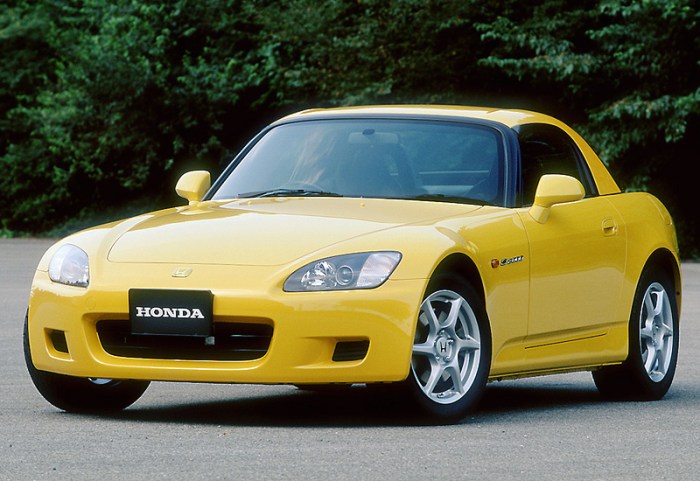
The Honda S2000 is known for its robust and reliable nature, with many examples racking up hundreds of thousands of miles with minimal issues. However, like any performance car, there are specific maintenance requirements and potential issues to be aware of.
Understanding these factors can help you keep your S2000 in top condition and avoid costly repairs.
Common Maintenance Requirements
The S2000’s high-revving engine and performance-oriented nature necessitate regular maintenance to ensure optimal performance and longevity. Here are some key areas to focus on:
- Oil Changes:Due to the high-revving nature of the engine, frequent oil changes are crucial. Aim for an oil change every 3,000-5,000 miles or every 6 months, whichever comes first. Use high-quality synthetic oil that meets Honda’s specifications.
- Spark Plugs:Replace spark plugs every 30,000-40,000 miles to maintain optimal ignition and performance. Using high-quality spark plugs is recommended.
- Timing Belt:The S2000’s timing belt is an interference engine, meaning a broken belt can cause catastrophic engine damage. Honda recommends replacing the timing belt every 105,000 miles or 10 years, whichever comes first. Ensure the water pump is also replaced at the same time, as it is driven by the timing belt.
- Fluid Changes:Regularly check and change fluids like brake fluid, coolant, transmission fluid, and power steering fluid. Follow Honda’s recommended service intervals for each fluid.
- Suspension Components:Inspect suspension components like bushings, control arms, and ball joints regularly for wear and tear. Replace any worn or damaged components promptly to maintain handling and safety.
Potential Issues
While the S2000 is generally reliable, there are some potential issues to be aware of:
- Top Issues:The S2000’s soft top can experience leaks or wear and tear over time. Ensure the top is properly maintained and lubricated to prevent these issues.
- Transmission Issues:The S2000’s six-speed manual transmission is generally robust, but some owners have reported issues with synchros or the clutch. These issues can be exacerbated by aggressive driving or improper maintenance.
- Electrical Issues:As with any older car, electrical issues can arise. Common problems include faulty sensors, wiring issues, or problems with the ignition system.
Tips for Keeping an S2000 in Good Condition
- Regular Maintenance:Adhere to Honda’s recommended service intervals for all maintenance items. This includes oil changes, spark plug replacements, fluid changes, and inspections of key components.
- High-Quality Parts:When replacing parts, use high-quality OEM or aftermarket parts that meet or exceed Honda’s specifications. This ensures proper fit and performance.
- Proper Storage:If you don’t drive your S2000 regularly, store it in a dry, climate-controlled environment. This helps prevent rust and corrosion.
- Avoid Aggressive Driving:While the S2000 is built for performance, excessive revving and aggressive driving can put extra stress on the engine and other components. Driving within the car’s limits helps extend its lifespan.
- Regular Inspections:Regularly inspect your S2000 for any signs of wear or damage. This includes checking the engine, transmission, suspension, brakes, and electrical system. Early detection and repair can prevent major problems down the road.
Modifications and Tuning: 1999 Honda S2000
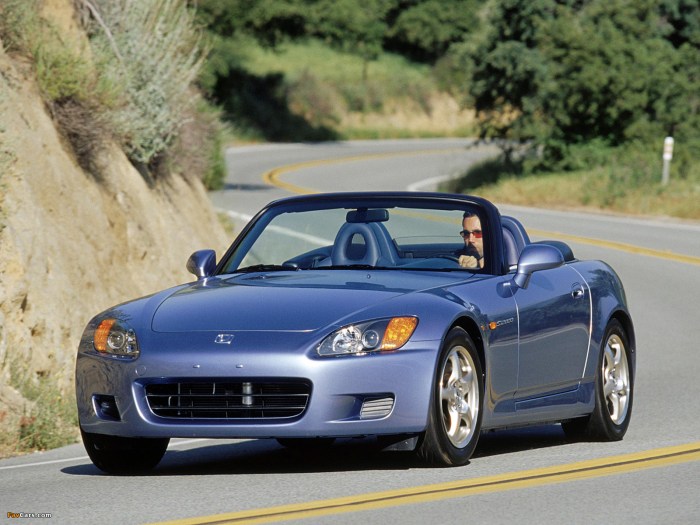
The Honda S2000 is a car that begs to be modified. Its naturally aspirated engine and nimble handling provide a solid foundation for performance enhancements, allowing owners to personalize their driving experience. From simple bolt-on upgrades to more extensive engine swaps, the S2000 offers a wide range of customization options.
The 1999 Honda S2000 was a pure driver’s car, known for its screaming VTEC engine and nimble handling. But if you were looking for something more practical, Honda had another option in 1999: the 1999 Honda CRV. While the CRV lacked the S2000’s sportiness, it offered a versatile and reliable way to get around, making it a popular choice for families and commuters alike.
The S2000 may have been the more exciting choice, but the CRV proved that Honda could deliver on both performance and practicality.
Performance Enhancements
The S2000’s 2.0L and 2.2L four-cylinder engines are known for their high revving nature and responsiveness. Popular performance modifications focus on increasing power output and improving throttle response.
- Intake and Exhaust Systems:Upgrading the intake and exhaust systems can significantly increase airflow and reduce backpressure, resulting in noticeable power gains throughout the rev range. Popular options include cold air intakes, high-flow headers, and cat-back exhaust systems.
- Engine Management System (ECU) Tuning:Remapping the ECU allows for optimized fuel delivery and ignition timing, maximizing power output and efficiency. Custom tuning can unlock additional horsepower and torque while ensuring smooth engine operation.
- Superchargers and Turbochargers:Forced induction, through superchargers or turbochargers, offers a substantial power boost. However, it requires careful planning and installation to maintain the S2000’s handling balance and reliability.
- Lightweight Components:Reducing unsprung weight through the use of lighter wheels, brakes, and suspension components improves acceleration, braking, and handling.
Handling Improvements
The S2000’s handling is already exceptional, but modifications can further enhance its agility and precision.
- Suspension Upgrades:Replacing stock suspension components with adjustable coilovers or performance shocks and springs allows for fine-tuning of ride height, damping, and spring rates. This can improve cornering grip, reduce body roll, and enhance overall handling responsiveness.
- Sway Bars:Stiffer sway bars help to reduce body roll in corners, improving handling stability and precision.
- Tires:High-performance tires with a sticky compound provide increased grip and improved handling characteristics. Choosing the right tire size and compound is crucial for maximizing performance and maintaining balance.
- Braking System Upgrades:Upgraded brake pads, rotors, and calipers can provide improved stopping power and fade resistance, essential for spirited driving.
Impact on Overall Character
Modifications can significantly alter the S2000’s character.
- Performance Enhancements:Engine modifications, like forced induction, can transform the S2000 into a much more powerful car, capable of exhilarating acceleration and high-speed performance. However, they can also affect the car’s handling balance and increase the risk of wear and tear on the drivetrain.
- Handling Improvements:Suspension upgrades can make the S2000 even more precise and responsive, enhancing the driving experience. However, too much focus on handling can make the ride harsh and compromise comfort.
Benefits and Drawbacks
- Benefits:Modifications can unlock the S2000’s full potential, enhancing its performance, handling, and overall driving experience. They can also personalize the car to meet individual preferences and needs.
- Drawbacks:Modifications can be expensive, and some upgrades may require significant mechanical expertise. They can also affect the car’s reliability and increase maintenance costs. It’s important to carefully consider the potential benefits and drawbacks before making any modifications.
Cultural Impact and Legacy
The Honda S2000, a true icon of the late 20th and early 21st centuries, left an undeniable mark on the automotive landscape. Its influence extended far beyond its impressive performance and handling, shaping the way sports cars were designed and perceived.
The S2000’s legacy continues to inspire enthusiasts and influence car manufacturers to this day.
Influence on Subsequent Sports Car Designs
The S2000’s unique combination of high-revving naturally aspirated engine, lightweight construction, and precise handling set a new standard for sports cars. This philosophy, known as “light, agile, and fun,” influenced the design of numerous subsequent sports cars. The S2000’s impact is evident in the following:
- Mazda MX-5 Miata:The Miata, already a successful roadster, saw a resurgence in popularity following the S2000’s arrival. Its focus on driving dynamics and lightweight design echoed the S2000’s principles.
- Lotus Elise:The Elise, a British sports car known for its minimalist design and sharp handling, was heavily influenced by the S2000’s focus on performance through lightweight construction.
- BMW Z4:The Z4, a direct competitor to the S2000, adopted a similar design philosophy, emphasizing driving pleasure over brute force.
Anecdotes and Stories
The S2000’s popularity and appeal to enthusiasts is reflected in numerous anecdotes and stories. These stories highlight the car’s ability to connect with drivers on a visceral level.
- Track Days and Community:The S2000 became a staple at track days and autocross events, where its agility and responsiveness made it a favorite among enthusiasts. This led to the development of a strong community of S2000 owners who shared their passion for the car.
- Driving Experience:Many owners describe the S2000’s driving experience as “addictive.” The car’s high-revving engine, precise steering, and balanced handling provide a pure and engaging driving experience that is rarely found in other cars.
- The “S2000 Smile”:A common anecdote among S2000 owners is the “S2000 smile.” This refers to the grin that inevitably appears on a driver’s face after experiencing the car’s exhilarating performance and handling.
Comparison with Contemporaries
The Honda S2000, with its high-revving engine and sharp handling, carved out a unique niche in the sports car market of the late 1990s and early 2000s. However, it wasn’t alone in its quest to deliver driving thrills. Several other manufacturers offered compelling alternatives, each with its own strengths and weaknesses.
This section will compare the S2000 to its key competitors, highlighting the factors that made each car stand out.
Comparison Table
The following table compares the S2000 to its main competitors, the Mazda MX-5 Miata, BMW Z3, and Porsche Boxster, based on key specifications, performance metrics, pricing, and overall character.
| Feature | Honda S2000 | Mazda MX-5 Miata | BMW Z3 | Porsche Boxster |
|---|---|---|---|---|
| Engine | 2.0L naturally aspirated I4, 240 hp | 1.8L naturally aspirated I4, 140 hp (1999-2005) | 1.9L naturally aspirated I4, 140 hp (1996-1999) | 2.5L naturally aspirated flat-six, 201 hp (1997-2002) |
| Transmission | 6-speed manual | 5-speed manual (1999-2005) | 5-speed manual (1996-1999) | 5-speed manual (1997-2002) |
| 0-60 mph | 5.8 seconds | 8.5 seconds (1999-2005) | 8.5 seconds (1996-1999) | 6.3 seconds (1997-2002) |
| Top Speed | 150 mph | 124 mph (1999-2005) | 124 mph (1996-1999) | 146 mph (1997-2002) |
| Price (New) | $32,000 (1999) | $18,000 (1999) | $30,000 (1999) | $40,000 (1999) |
| Character | High-revving, focused, driver-centric | Fun, affordable, accessible | Sporty, luxurious, refined | Performance-oriented, prestigious, sophisticated |
Strengths and Weaknesses
Each of these cars had its own strengths and weaknesses compared to the S2000.
- The Mazda MX-5 Miataoffered a more affordable and accessible entry point to the roadster experience, with its lighter weight and less powerful engine making it more playful and forgiving. However, it lacked the raw power and performance of the S2000.
- The BMW Z3provided a more luxurious and refined driving experience, with a comfortable interior and a smooth, powerful engine. But, it wasn’t as focused on pure driving pleasure as the S2000 and felt less agile.
- The Porsche Boxster, while more expensive, offered a more sophisticated and powerful experience with its flat-six engine and precise handling. However, it wasn’t as nimble or engaging as the S2000 at lower speeds.
The S2000 stood out for its high-revving engine, sharp handling, and pure driving focus. It was a true driver’s car, rewarding those who pushed it to its limits. However, it also had its drawbacks, including a lack of low-end torque, a somewhat cramped interior, and a less refined ride than some of its competitors.
The 1999 Honda S2000 was a true sports car enthusiast’s dream, with its high-revving VTEC engine and nimble handling. But for those seeking a more practical and affordable option, Honda also offered the 1996 Honda Jazz , a compact hatchback known for its versatility and fuel efficiency.
While the S2000 was all about raw performance, the Jazz provided a more accessible and practical approach to everyday driving.
Driving Experience
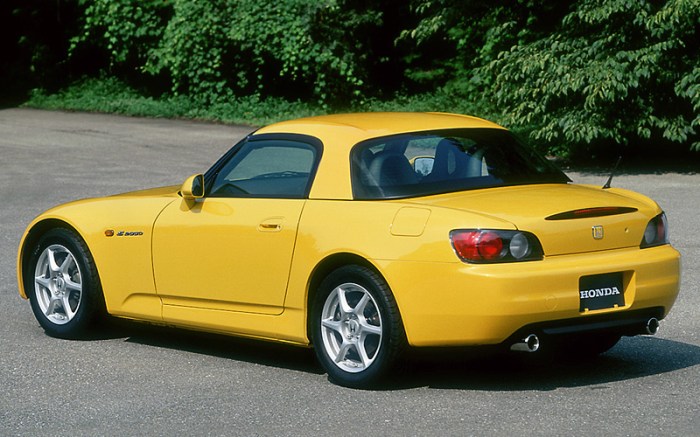
The 1999 Honda S2000’s driving experience is a captivating blend of raw performance and engaging handling, offering a visceral connection between driver and machine. Its high-revving engine, precise steering, and balanced chassis create a symphony of thrills that few other cars can match.
Engine Responsiveness
The S2000’s 2.0-liter VTEC engine is a masterpiece of engineering, delivering a thrilling surge of power as the revs climb. The engine’s responsiveness is exceptional, with instantaneous throttle response and a linear power delivery that encourages spirited driving.
- Immediate Throttle Response:The S2000’s engine responds instantly to throttle inputs, making it feel incredibly responsive and eager to accelerate.
- Linear Power Delivery:The power delivery is smooth and linear, providing a predictable and enjoyable driving experience, especially at higher revs.
- High-Revving Nature:The engine’s high-revving nature allows for an exhilarating driving experience, as the power builds progressively towards the 9,000 RPM redline.
Handling Precision
The S2000’s handling is precise and predictable, thanks to its well-balanced chassis, responsive steering, and excellent grip.
- Precise Steering:The S2000’s steering is incredibly precise, providing excellent feedback and allowing the driver to feel the car’s movements on the road.
- Balanced Chassis:The S2000’s 50/50 weight distribution contributes to its neutral handling, making it easy to control and predictable in corners.
- Excellent Grip:The S2000’s sticky tires and well-tuned suspension provide exceptional grip, allowing for confident cornering at high speeds.
Overall Driving Enjoyment
The S2000 is a car that truly engages the driver, demanding active participation and rewarding skillful driving.
- Engaging Driving Experience:The S2000’s combination of responsive engine, precise handling, and a focus on driver feedback creates an incredibly engaging driving experience.
- Rewarding Driving:The S2000 rewards skillful driving with a sense of accomplishment and a feeling of being connected to the car.
- Fun Factor:The S2000 is simply fun to drive, offering a pure and unadulterated driving experience that is hard to resist.
Conclusion
The 1999 Honda S2000 stands as a testament to the Japanese automaker’s commitment to building engaging and rewarding sports cars. Its strengths lie in its lightweight design, potent engine, and precise handling, creating a driving experience that is both exhilarating and accessible.
However, it also has its shortcomings, primarily in its limited practicality and relatively basic interior.
The Legacy of the S2000
The S2000’s legacy extends beyond its performance credentials. It represents a period of time when Honda was at the forefront of sports car development, pushing the boundaries of what a naturally aspirated engine could achieve. Its influence can be seen in subsequent generations of Honda sports cars, as well as in the way other manufacturers approached their own high-performance models.
The S2000’s enduring appeal lies in its pure driving experience, a quality that remains highly sought after by enthusiasts today.
The S2000’s Place in the World of Sports Cars
The S2000 occupies a unique niche in the world of sports cars. It is not the fastest, nor the most luxurious, but it is arguably one of the most rewarding to drive. Its ability to connect driver and machine on a visceral level sets it apart from its competitors.
The S2000 is a reminder that a truly great sports car doesn’t need to be the most powerful or technologically advanced, it just needs to be engaging and fun to drive.
Closing Notes
The 1999 Honda S2000 stands as a testament to the enduring allure of pure driving pleasure. It captured the hearts of enthusiasts with its exhilarating performance, precise handling, and a driving experience that was as rewarding as it was engaging.
Though its production has ceased, the S2000’s legacy continues to inspire, reminding us that true driving joy can be found in simplicity, precision, and an unwavering commitment to performance. The S2000 is more than just a car; it’s a symbol of a bygone era when driving was about the connection between driver and machine, a connection that continues to resonate with enthusiasts today.